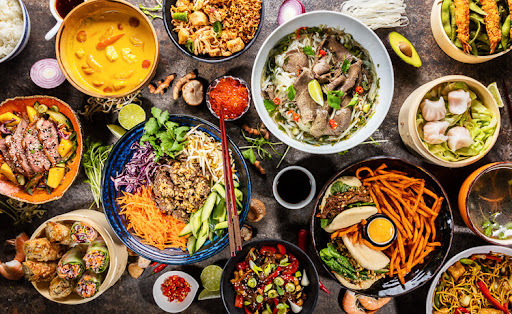
Cuisine serves as a cultural bridge that transcends borders, embodying regional characteristics and culinary wisdom. This guide will take you on a journey to discover the allure of global flavors, offering straightforward steps that empower everyday households to recreate classic dishes from around the world. Whether you’re a novice cook or a seasoned food enthusiast, you’ll find suitable recipes and techniques here.
15 BEST FOODS AROUND THE WORLD
I. Asian Cuisine: Deliciously Diverse, Techniques Passed Down
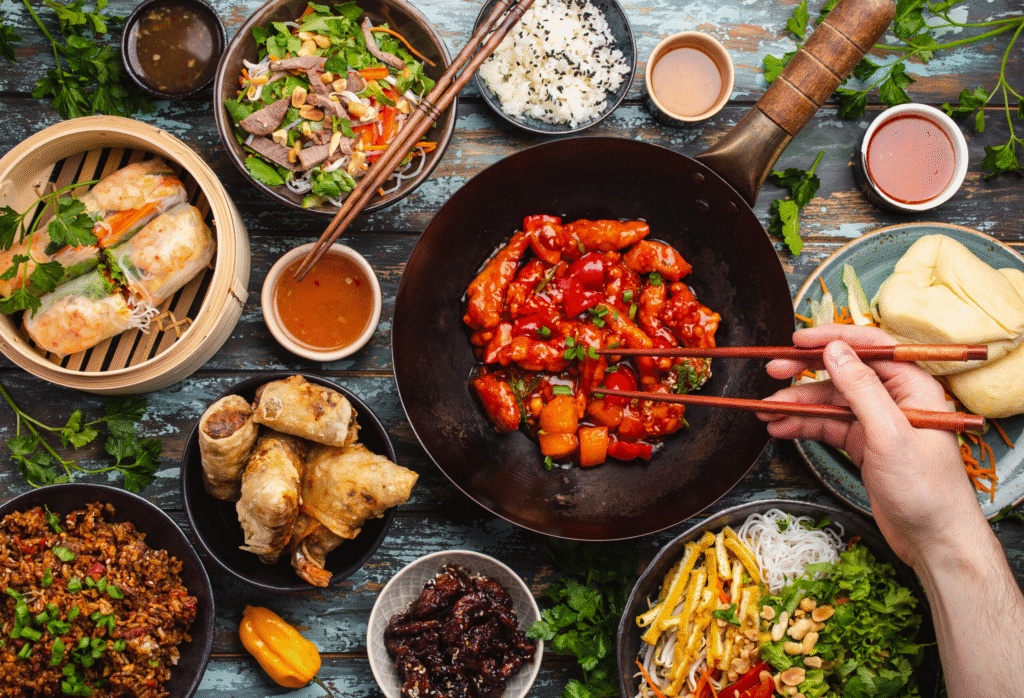
1. Chinese Cuisine—The Art of Heat Control and Seasoning
Classic dishes:Kung Pao Chicken, Braised Pork Belly, Steamed Fish, dumplings/buns, and other noodle dishes.
Key Preparation Tips:
Knife skills determine texture—for Kung Pao chicken, dice evenly to ensure uniform heating; for steamed fish, make a slit along the back to allow steam to penetrate evenly.
Heat control is the soul—Sichuan cuisine emphasizes “high heat and quick stir-frying” to lock in freshness and spiciness, while Cantonese cuisine focuses on “low heat and slow simmering” to release the natural flavors of ingredients.
Seasoning combinations matter—Sichuan cuisine masterfully uses Sichuan peppercorns and chili peppers to create a “numbing yet not overpowering” layered sensation, while Cantonese cuisine employs light soy sauce and oyster sauce to enhance freshness without masking the original flavors.
Tips: When selecting meat, check its color and elasticity—pork should be pink and glossy. When steaming fish, place ginger slices underneath to reduce fishiness, and add the fish after the water boils for a more tender result.
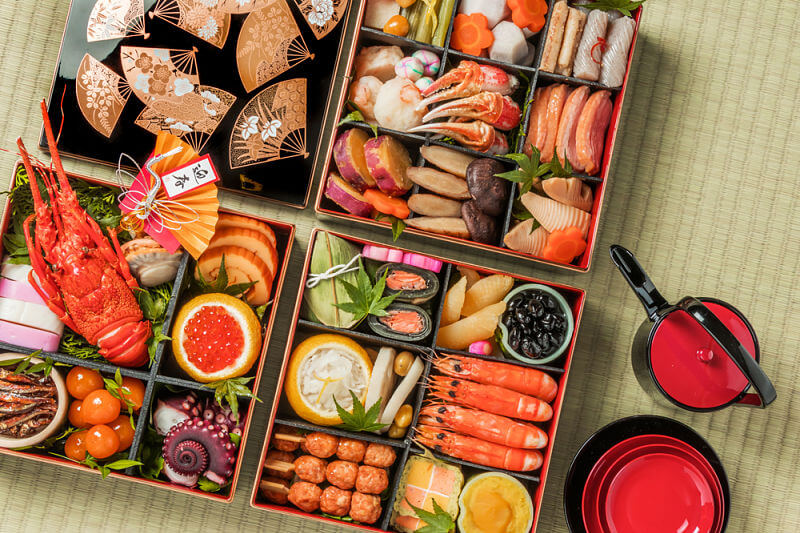
2. Japanese Cuisine—The Ultimate Pursuit of Natural Flavors
Signature dishes: sushi, tempura, ramen, sashimi.
Key Preparation Points:
Sushi rice requires “three parts cooking, seven parts mixing”—combine cooked rice with sushi vinegar, then gently knead with warm hands to evenly coat each grain.
Tempura batter should be “thin, crisp, and translucent”—use low-gluten flour for the batter, maintain oil temperature around 180°C (356°F), and fry until golden and crisp.
Ramen broth is the foundation—simmer pork or chicken bones for over 8 hours to create a rich, milky broth. This pairs perfectly with either straight or curly noodles.
Tips: Sashimi must be fresh and odor-free; chilling for 10 minutes before serving enhances its natural sweetness. Ensure tempura ingredients are thoroughly drained to prevent oil splatter.
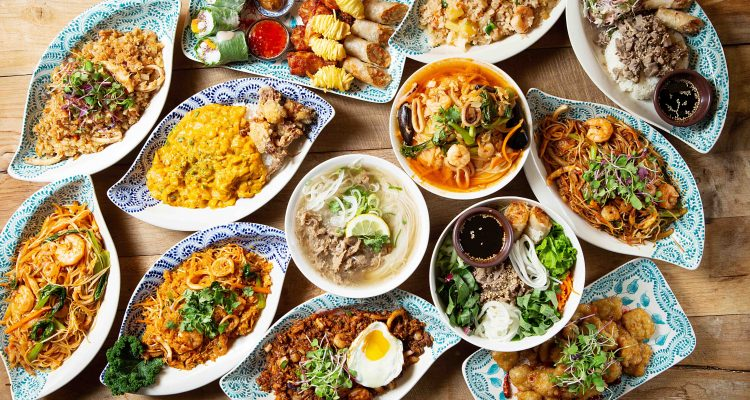
3. Southeast Asian Cuisine—The Art of Balancing Spices and Sweet-and-Sour Flavors
Signature Dishes:Thai green curry, Vietnamese spring rolls, Indonesian coconut rice
Key Preparation Points:
Green curry requires freshly ground and cooked ingredients—lemongrass, kaffir lime leaves, and green chilies—to release their natural aromatic essence.
Spring roll wrappers must be softened before wrapping shrimp, mint, and rice noodles, then deep-fried until golden and crisp.
Coconut rice involves cooking coconut milk with rice; once the grains absorb the coconut fragrance, serve with grilled fish or fried chicken.
II. European Cuisine: Where Artisanal Craftsmanship Meets Terroir
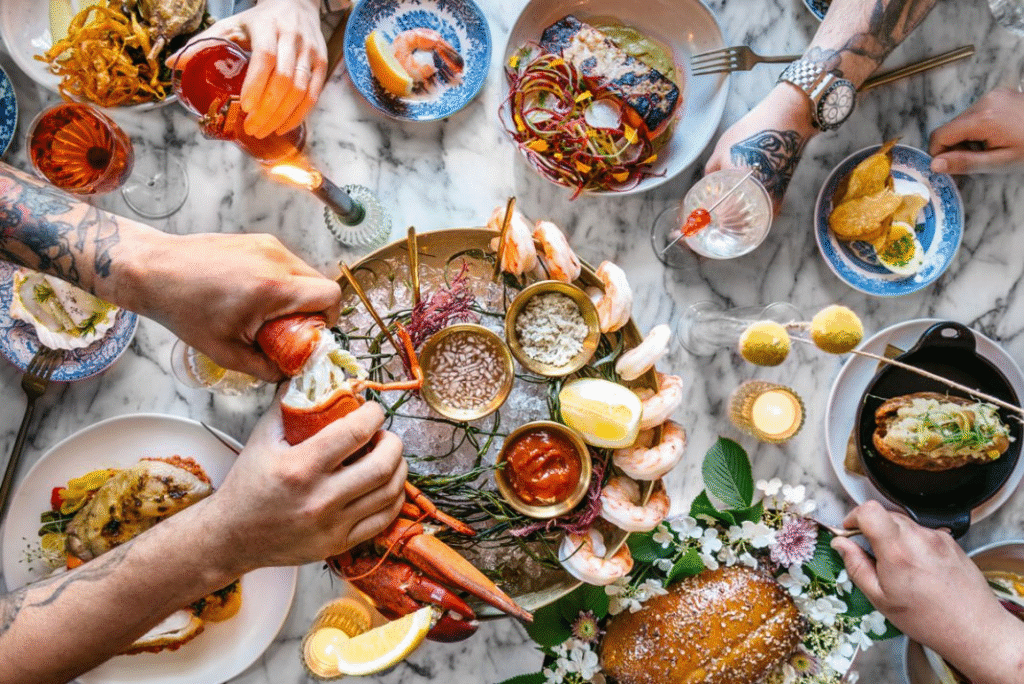
1. French Cuisine—The Magic of Time and Temperature
Foie gras requires low–temperature slow-searing to achieve a crisp exterior and tender interior; baguettes demand high-hydration dough fermentation to yield a crisp crust and moist crumb.
Snails are often baked in garlic butter and served with baguette for dipping; cheeses like Brie should be brought to room temperature before spreading on bread.
Wine Pairings: Red meat with red wine (e.g., Bordeaux); Seafood with white wine (e.g., Chablis); Desserts with noble rot wine.
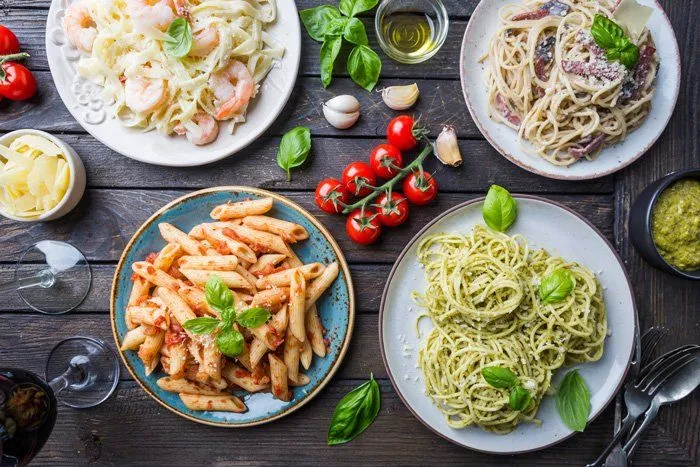
2. Italian Cuisine—A Symphony of Pasta and Sauces
Noodle Series:Pizza, pasta (tomato/cream sauce).
Key Preparation Steps:
Let the pizza dough rise until doubled in size. Spread Margherita sauce evenly over the dough (tomato + mozzarella cheese + basil). Bake at 250°C for 5 minutes at high heat.
Cook pasta until al dente (firm to the bite). Toss the sauce with the pasta simultaneously to infuse flavor.
III. American Cuisine: Diverse Fusion and Convenient Delights
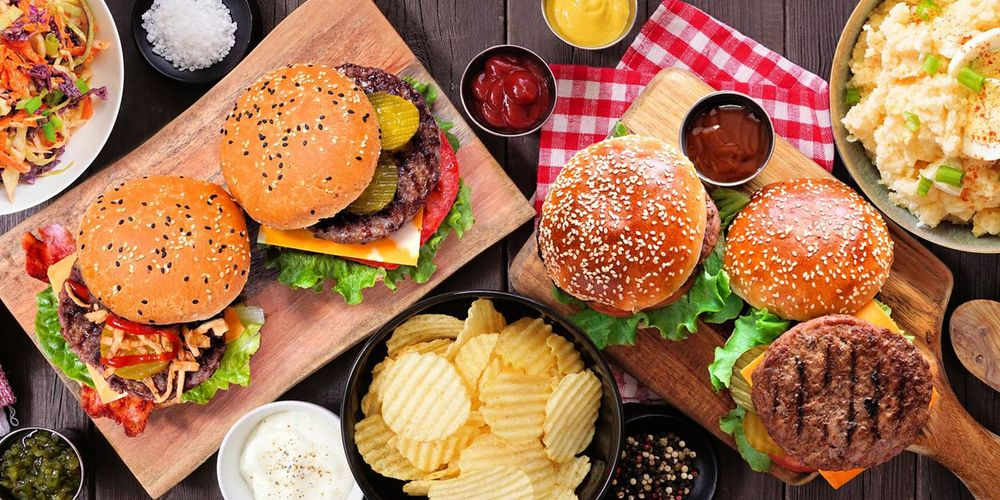
Signature Dishes:Hamburgers, fried chicken, barbecue ribs, New York cheesecake.
Key Preparation Tips:
Hamburger patties require a blend of 80% lean beef and 20% fat. Pan-sear until the surface is crispy to lock in juices.
Chicken should be marinated before coating with flour, then deep-fried at 170°C until golden and crispy. Barbecue ribs require slow-roasting for 3 hours, brushing with honey glaze to enhance shine.
Tips: Bake cheesecake using a water bath to prevent cracking. Add avocado and salsa to West Coast wraps for a fresh twist.
2. Latin American Cuisine—A Carnival of Spice and Flavor
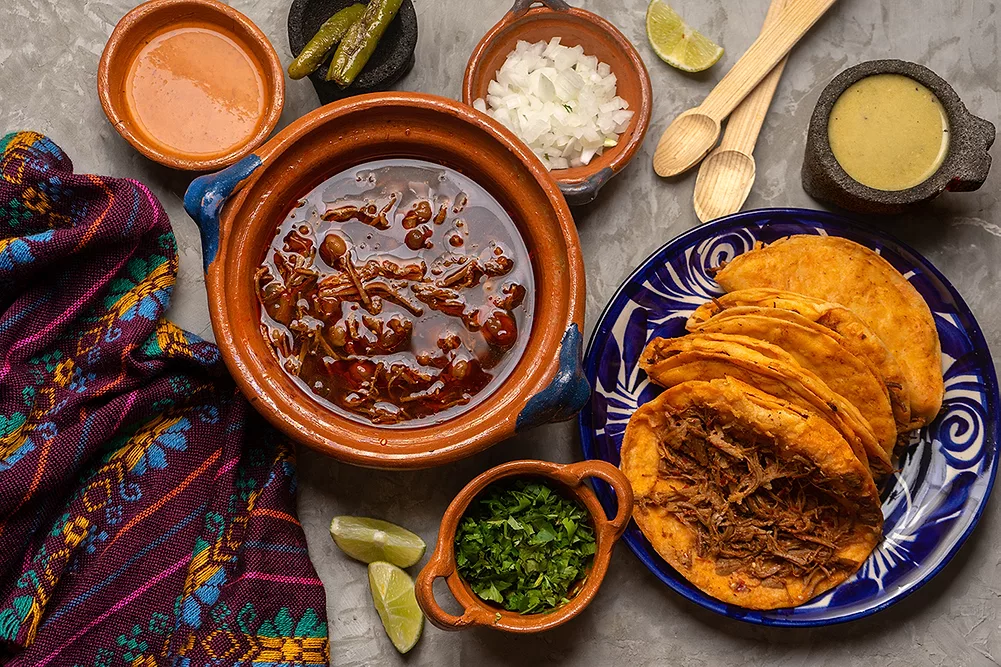
Corn tortillas require stone-ground corn flour mixed with water to form dough, flattened, and cooked in a dry pan until crisp.
Tacos are filled with roasted beef or chicken, topped with onions, cilantro, and hot sauce; Brazilian-style barbecue requires marinating in coarse salt and spices, then slow-roasting over an open flame until charred on the outside and tender within.
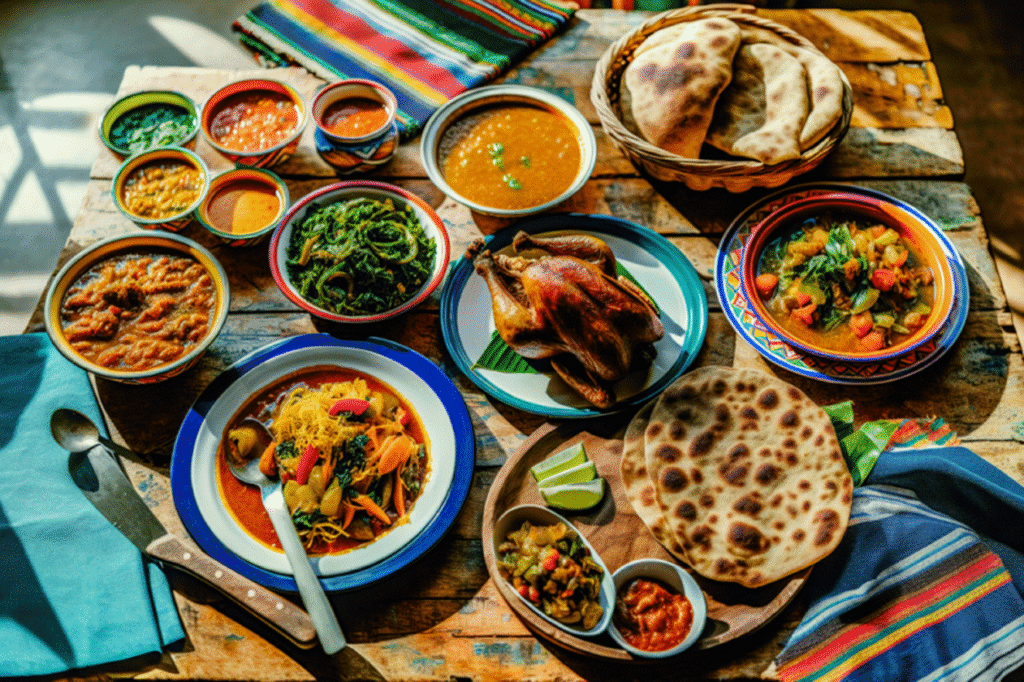
IV. African Cuisine: The Primitive Allure of Spices and Heat
The injera must be fermented for three days using teff flour to develop its uniquely sour aroma and spongy texture, served alongside stewed dishes.
The stewed meat requires slow cooking for several hours with a blend of spices (such as turmeric and cinnamon) to achieve tender, flavor-infused results.
The charm of world cuisine lies in its diversity and adaptability. This guide breaks down the logic behind classic dishes from around the globe, making them accessible for everyday home cooks. The key lies in mastering three core principles—“ingredient selection, heat control, and seasoning combinations”—while respecting the cultural traditions behind each dish. When experimenting, don’t feel bound by rigid steps; adjust spice quantities to suit your taste, letting food become a warm bridge connecting different cultures.
Now, begin your global culinary journey right from your kitchen!