
Global Flavors at Home: A Cross-Cultural Cooking Guide to Four Classic Dishes
In the wave of globalization, the kitchen has become a cultural exchange hub that transcends borders. Without passports or plane tickets, home cooks can recreate classic flavors from around the world through carefully selected ingredients and culinary wisdom. This article features four iconic international dishes—Italian tomato meat sauce pasta, Indian chicken curry, Japanese sushi rolls, and Mexican tacos—providing global readers with practical, adaptable universal guidelines through standardized steps and cross-cultural cooking techniques.
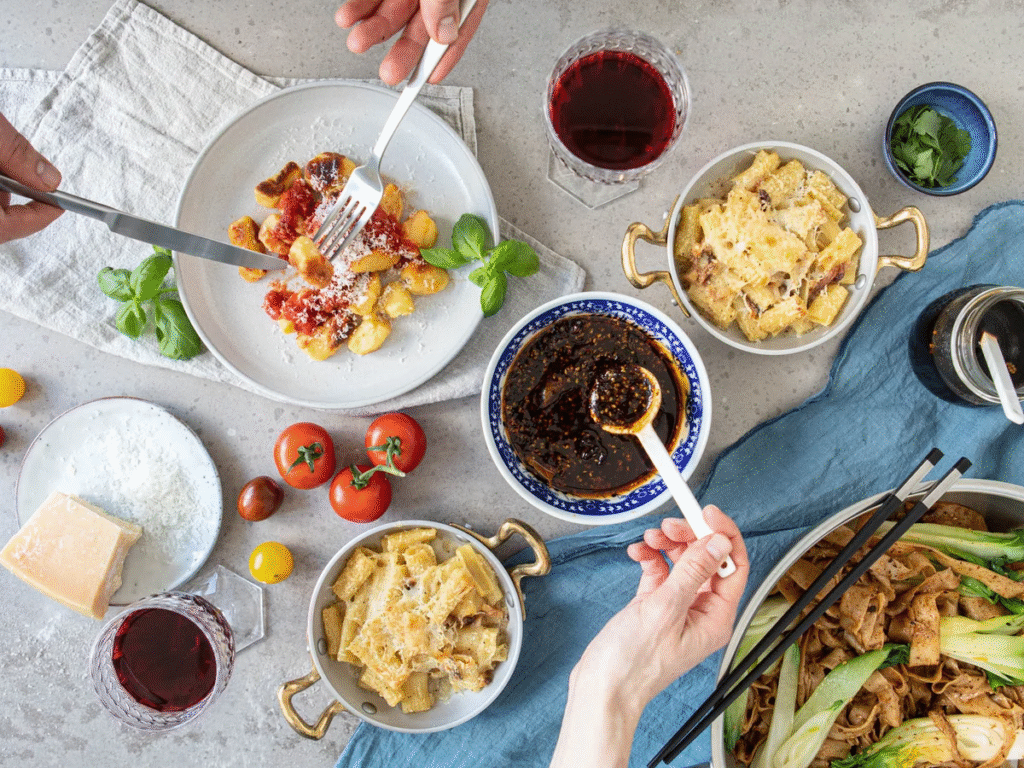
I. Italian Tomato Meat Sauce Pasta: The Golden Ratio of Mediterranean Flavors
As a symbol of Italian culinary culture, the essence of Spaghetti al Ragu lies in the balance of ingredients and precise control of cooking time. The basic recipe requires 500 grams of spaghetti, 400 grams of ground beef, 1 onion, 2 garlic cloves, 800 grams of canned tomatoes, 2 tablespoons of olive oil, 1 teaspoon of dried oregano leaves, and salt and black pepper to taste.
Cooking Steps:
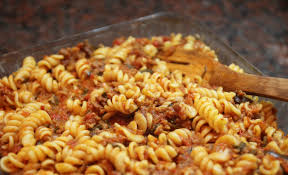
Sauce Preparation: Heat olive oil over medium heat. Add chopped onion and minced garlic, sauté until translucent. Stir in ground beef and cook until browned. Pour in canned tomatoes (blend with a hand blender if desired). Add oregano leaves, 1 teaspoon salt, and ½ teaspoon black pepper. Simmer over low heat for 40 minutes, stirring occasionally.
Cross-Cultural Adaptation:
For a vegetarian version, substitute beef with lentils or mushrooms.
Asian households may add a dash of fish sauce to enhance umami flavor.
When basil is unavailable, substitute with parsley or cilantro.
II. Indian Curry Chicken: The Layered Aesthetics of the Spice Kingdom
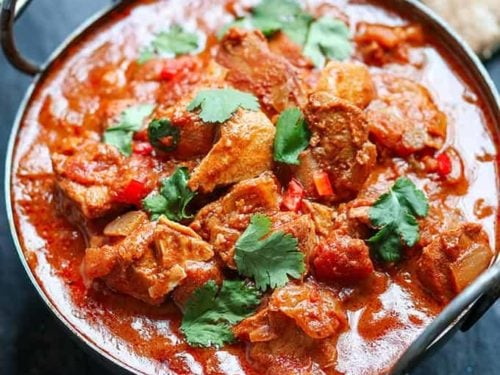
The complex aroma of Indian Chicken Curry stems from the precise blend of spices. The basic ingredients include 500 grams of chicken thighs, 2 onions, 3 cloves of garlic, 1 piece of ginger (2 cm), 2 tomatoes, 1 tablespoon of curry powder, 1 teaspoon of turmeric powder, ½ teaspoon of cumin powder, 1 teaspoon of coriander powder, 2 green chilies, 200 ml of coconut milk, salt and vegetable oil to taste.
Cooking Steps:
- Spice Paste Preparation: Blend onions, garlic, ginger, and tomatoes into a paste using a food processor. Cut chicken into chunks and marinate with 1 teaspoon salt and ½ teaspoon turmeric powder for 15 minutes.
- Sautéing Base: Heat oil in a wok, add green chilies and remaining turmeric powder, stir-fry for 10 seconds. Pour in spice paste and simmer over medium heat until oil separates (about 8 minutes).
- Simmer for Flavor: Stir in curry powder, cumin powder, and coriander powder until fragrant. Add chicken and stir-fry until surface changes color. Pour in coconut milk and ½ cup water. Simmer over low heat for 20 minutes until chicken is tender.Cross-Cultural Adaptation:
Cross-Cultural Adaptation:
Reduce the amount of chili peppers to make a kid-friendly version.
Substitute coconut milk with yogurt or light cream when unavailable.
European households may add bay leaves for added depth.
III. Japanese Sushi Rolls: A Minimalist Dialogue of Ingredients
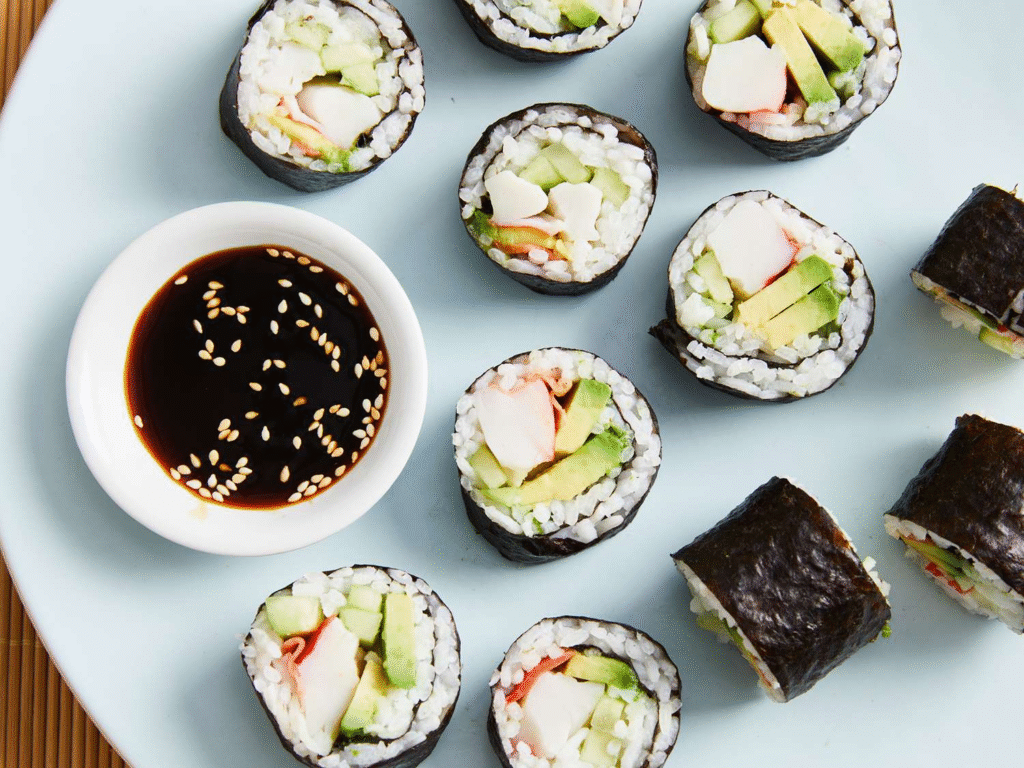
The essence of maki sushi lies in the seasoning of the rice and the freshness of the ingredients. Prepare 400 grams of sushi rice, 450 milliliters of water, 5 tablespoons of sushi vinegar, 4 sheets of nori seaweed, sashimi-grade raw fish (200 grams total of salmon and tuna), 1 cucumber, 1 avocado, and pickled daikon radish strips to taste.
Cooking Steps:
- Rice Preparation: Rinse sushi rice thoroughly, then soak for 30 minutes. Bring to a boil with water, reduce heat to low, and simmer for 15 minutes. While still hot, mix in sushi vinegar (can be homemade with rice vinegar, sugar, and salt). Cool to room temperature.
- Rolling Technique: Line a bamboo mat with plastic wrap. Place the nori sheet with the rough side facing up. Spread 2 cm of rice evenly over the nori, leaving a 1 cm border around the edges. Arrange fish slices, cucumber strips, avocado, and pickled radish lengthwise down the center.
- Shaping and Cutting: Roll tightly using a bamboo mat and let rest for 2 minutes to set. Dip the knife in water and cut into 1.5 cm wide segments.
Vegetarians may substitute fried tofu or mango for raw fish.
When nori is unavailable, wrap rice in mint leaves.
Serve with soy sauce and either wasabi or sesame paste.
IV. Mexican Tacos: The Free Spirit of Street Food
The charm of tacos lies in the flexible combination of ingredients. Basic ingredients include 12 corn tortillas, 500 grams of ground beef, 1 onion, 2 tomatoes, 1 lime, ½ cup of cheddar cheese, 1 bunch of cilantro, 2 tablespoons of chili p
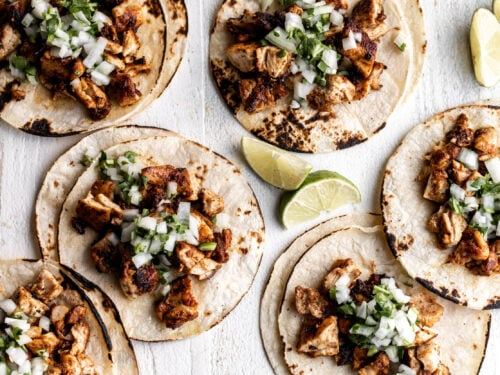
Cooking Steps:
- Prepare the filling: Heat oil in a pan and sauté chopped onions until fragrant. Add ground beef and stir-fry until it changes color. Sprinkle in chili powder, cumin powder, and 1 teaspoon of salt. Continue stir-frying over medium heat for 5 minutes until dry and aromatic.
- Prepare toppings: Dice tomatoes, finely chop cilantro, and wedge limes. Heat tortillas in a skillet for 10 seconds per side until lightly charred.
- Creative assembly: Place beef filling in center of tortilla. Top with cheese, tomatoes, and cilantro. Squeeze lime juice over mixture, then fold tortilla to serve.
Cross-Cultural Adaptation:
For a vegetarian version, substitute beef with black beans or roasted vegetables.
When tortillas are unavailable, wrap with flatbread or lettuce leaves.
Serve with guacamole or sour cream for added flavor.
Closing Remarks: Global Citizens in the Kitchen
These four dishes share a common trait: they lower the barrier to entry through standardized steps while preserving cultural distinctiveness. Home cooks can adapt them to local ingredients and taste preferences—substituting exotic herbs with regional varieties, incorporating plant-based options for sustainability, or adjusting spice levels to suit family members. Cooking is fundamentally a cultural dialogue. When Italian tomato aromas waft from Chinese kitchens, or Mexican tacos share plates with Japanese sushi, we are not merely replicating flavors—we are practicing an inclusive philosophy of life: cuisine knows no borders, and the hands that create deliciousness belong to all humanity.